




PassITExams: Your Ultimate Partner for JN0-637 Success
When you search for a reliable JN0-637 practice test, PassITExams stands out as the trusted choice for networking professionals aiming for the Security Professional (JNCIP-SEC) certification. We focus on high-quality practice questions and exam preparation material that match the real test format, helping you build the exact skills Juniper expects. Our resources support steady progress toward certification success without wasted effort.
Many candidates struggle with outdated study resources, unclear explanations, or questions that feel nothing like the actual exam format. Others waste time on material that never covers the scenario-based items that appear on test day. PassITExams solves these problems by giving you verified practice questions, detailed answer breakdowns, and an interactive simulator that tracks your weak areas so you can fix them before the real exam.
How PassITExams Prepares You for JN0-637 Certification
Here’s how we help you prepare for the JN0-637 exam. We start with practice material that closely mirrors the style and difficulty of real exam questions. Every item goes through a careful review process by professionals who hold the certification and work with Juniper SRX platforms daily. They check accuracy, clarity, and relevance so you never study outdated or incorrect information.
Our questions include real-world scenarios that force you to apply concepts rather than simply recall facts. You will work through troubleshooting security policies, configuring advanced NAT, setting up multinode HA, and handling automated threat mitigation tasks. This practical approach builds the decision-making skills you need on exam day and on the job.
You can study with PDF practice questions for offline review or take full practice tests that simulate the timed environment of the actual exam. Both formats keep you focused and help you measure progress across every topic. We also link you to the official Juniper certification page so you can always confirm the latest requirements.
Security, Professional (JNCIP-SEC) (JN0-637) – Complete Exam Information
Target Audience
This exam suits intermediate to advanced networking professionals who already hold the JNCIS-SEC certification and work daily with Juniper SRX Series devices. Ideal candidates include security engineers responsible for designing and troubleshooting enterprise firewalls, network security architects who build multi-site VPN and HA solutions, senior network administrators managing logical systems and tenant systems in shared environments, and security operations specialists who handle advanced threat mitigation and policy-based routing. Professionals moving into senior security roles or preparing for larger design responsibilities also benefit. The certification validates advanced skills that open doors to higher-responsibility positions and stronger technical credibility.
Exam Structure
The JN0-637 exam contains 65 multiple-choice questions. You have 90 minutes to complete it. Questions test both conceptual knowledge and the ability to configure or troubleshoot based on given scenarios. The exam is delivered through Pearson VUE, either at a testing center or via online proctoring. Juniper does not publish a fixed numeric passing score; results are pass or fail and appear immediately after the exam. The current software versions covered are Junos OS 22.2 and Security Director 22.1. Certifications remain valid for three years.
Exam Domains
The official exam objectives, taken directly from Juniper’s documentation, are listed below in the order they appear. No percentage weights are published by Juniper for this exam.
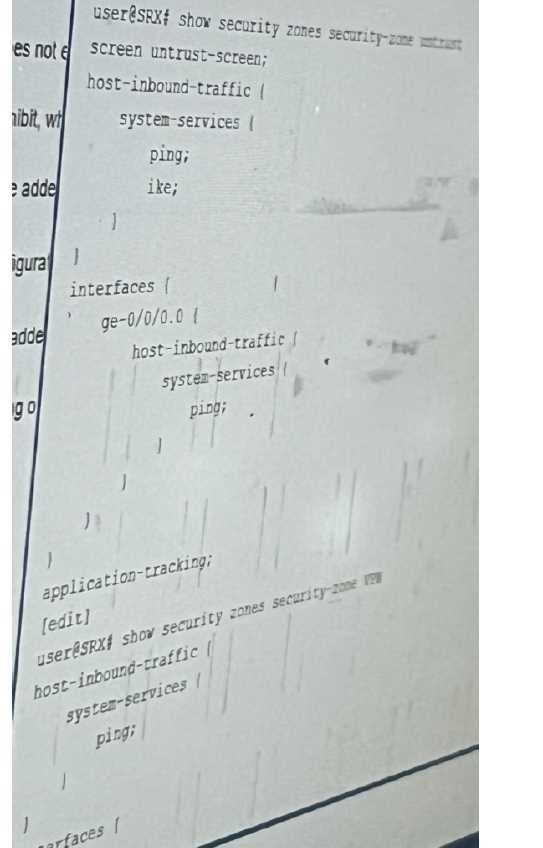
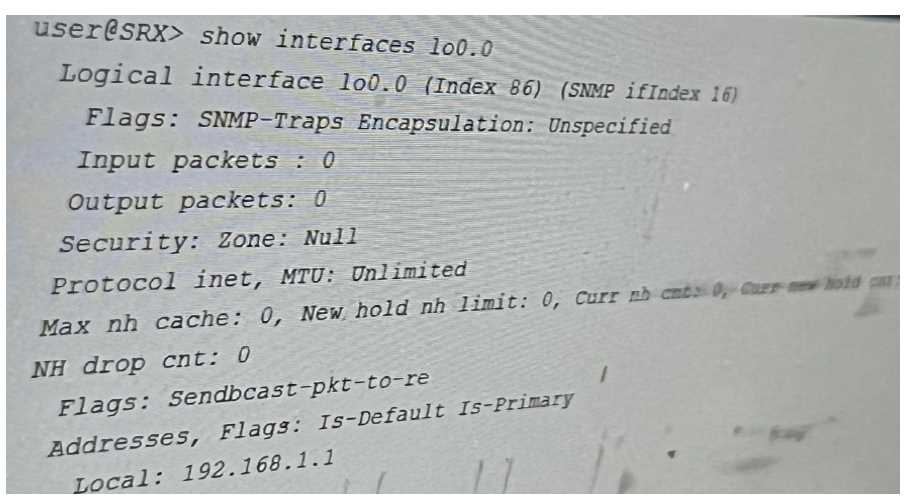
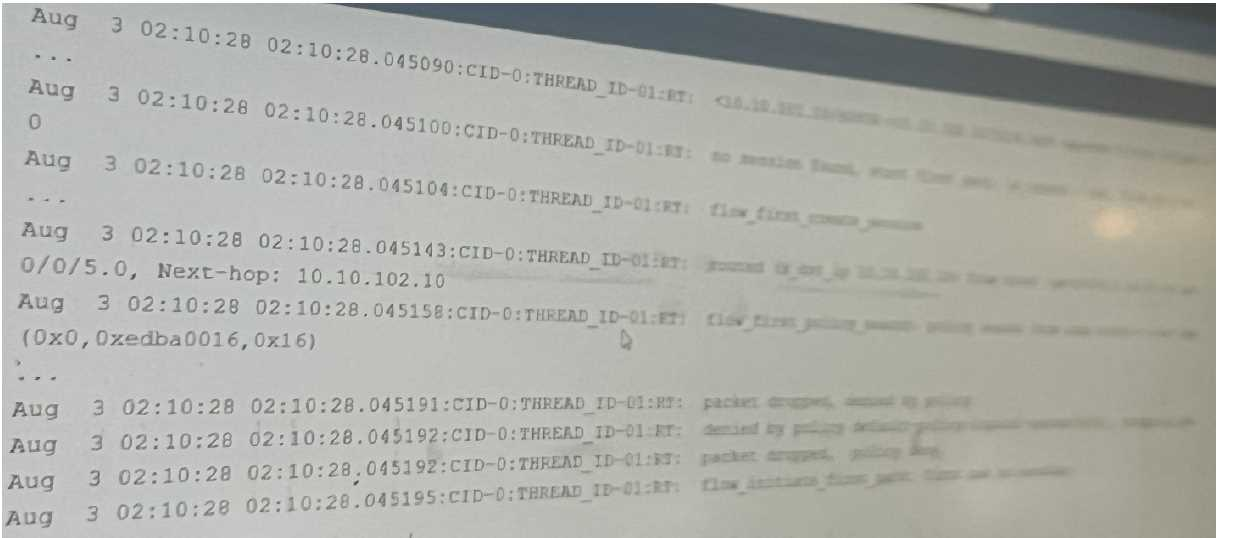
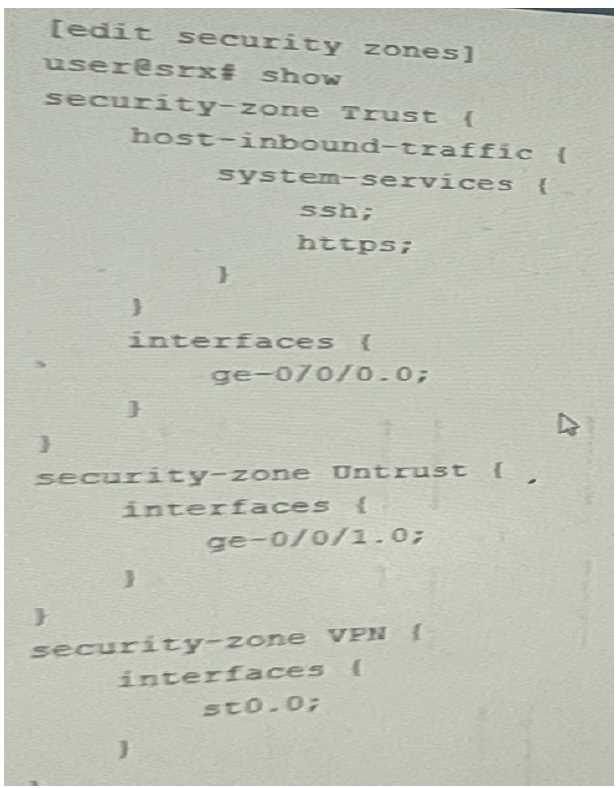
Troubleshooting Security Policies and Security Zones
Given a scenario, demonstrate how to troubleshoot or monitor security policies or security zones.
- Tools
- Logging or tracing
- Other outputs
Candidates often struggle with interpreting trace outputs and correlating logs to policy behavior under complex zone configurations.
Logical Systems and Tenant Systems
Describe the concepts, operations, or functionalities of logical systems.
- Administrative roles
- Security profiles
- Logical system communication
Describe the concepts, operations, or functionalities of tenant systems. - Primary system and tenant system administrators
- Tenant system capacity
Many candidates find the differences in administrative separation and resource limits between logical and tenant systems challenging.
Layer 2 Security
Describe the concepts, operations, or functionalities of Layer 2 Security.
- Transparent mode
- Mixed mode
- Secure wire
- MACsec
- Ethernet VPN-Virtual Extensible LAN (EVPN-VXLAN) security
Given a scenario, demonstrate how to configure or monitor Layer 2 Security.
Secure wire and MACsec configuration details frequently trip up candidates who have limited hands-on Layer 2 experience.
Advanced Network Address Translation (NAT)
Describe the concepts, operations, or functionalities of advanced NAT.
- Persistent NAT
- Domain Name System (DNS) doctoring
- IPv6 NAT
Given a scenario, demonstrate how to configure, troubleshoot, or monitor advanced NAT scenarios.
Persistent NAT bindings and DNS doctoring interactions with security policies are common weak areas.
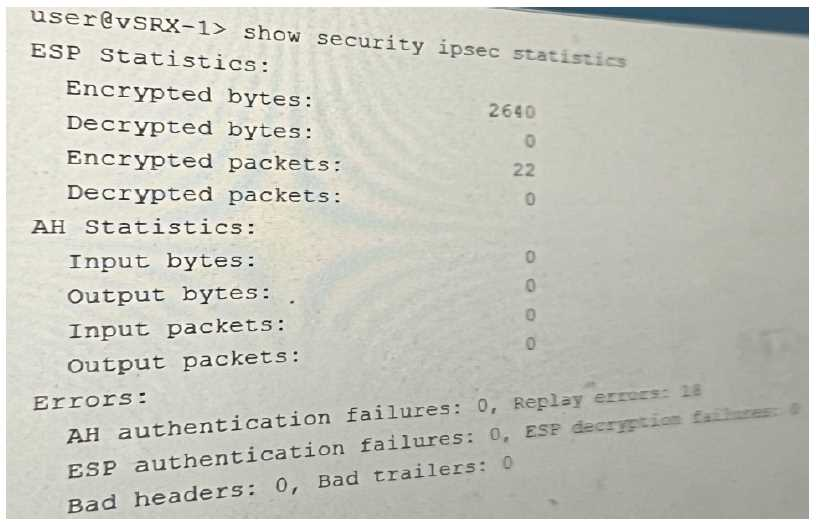
Advanced IPsec VPNs
Describe the concepts, operations, or functionalities of advanced IPsec VPNs.
- Hub-and-spoke VPNs
- Public Key Infrastructure (PKI)
- Auto discovery VPNs (ADVPNs)
- Routing with IPsec
- Overlapping IP addresses
- Dynamic gateways
- IPsec Class of Service (CoS)
Given a scenario, demonstrate how to configure, troubleshoot, or monitor advanced IPsec VPNs.
ADVPN and overlapping address scenarios require careful study of dynamic gateway behavior.
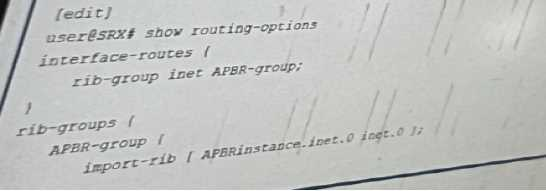
Advanced Policy-Based Routing (APBR)
Describe the concepts, operations, or functionalities of advanced policy-based routing.
- Profiles
- Policies
- Routing instances
- APBR options
Given a scenario, demonstrate how to configure or monitor advanced policy-based routing.
Understanding how APBR profiles interact with routing instances is a frequent source of errors.
Multinode High Availability (HA)
Describe the concepts, operations, or functionalities of multinode HA.
- Concepts
- Chassis cluster versus multinode HA
- Deployment modes
- Service redundancy group (SRG)
- Interchassis link
- Active/active mode
- Active/passive mode
- Active node behavior (determination and enforcement)
Given a scenario, demonstrate how to configure or monitor multinode HA.
Distinguishing multinode HA from traditional chassis cluster and correctly identifying active node behavior are areas where candidates often need extra practice.
Automated Threat Mitigation
Describe the concepts, operations, or functionalities of Automated Threat Mitigation.
- Third-party or multicloud integration
- Secure Enterprise
Cost and Eligibility
The exam fee is approximately $400 USD (confirm current pricing with Pearson VUE at registration). The official prerequisite is the JNCIS-SEC certification. Juniper recommends the Advanced Juniper Security course, though it is not mandatory. No formal training requirement exists beyond the prerequisite certification. Certifications last three years. Retake policies follow standard Pearson VUE rules; candidates pay the full fee for each attempt. No official bundled discounts are listed on the Juniper site at this time.
Why JN0-637 Certification Matters in 2026
Demand for professionals who can design and operate advanced Juniper security solutions remains strong. Organizations continue to rely on SRX Series platforms for enterprise edge and data-center security, making the JNCIP-SEC a clear differentiator. Typical roles include senior security engineer, network security architect, and threat mitigation specialist. Average salaries for professionals holding JNCIP-level security credentials commonly fall in the 100,000–135,000 range in the United States, with higher figures in major markets and for those combining the cert with hands-on SRX experience.
Industry trends such as zero-trust architectures, multi-cloud security integration, and automated threat response keep the skills measured by JN0-637 relevant. Employers value candidates who can troubleshoot complex policies, implement multinode HA, and configure advanced IPsec and APBR solutions. The certification also signals readiness for larger design responsibilities and can support career moves into architecture or team-lead positions. Official information and the latest exam details are always available on the Juniper certification site.
Proven Study Strategies for JN0-637 Success
Start with a four-to-six-week plan. Spend the first week reviewing official objectives and identifying weak domains. Allocate the next two to three weeks to deep study of each topic, using practice questions daily. Reserve the final one to two weeks for full timed practice tests and focused review of missed items.
Give extra time to troubleshooting security policies and zones, advanced IPsec VPNs, and multinode HA, as these areas appear frequently in scenario questions. Build hands-on skills in a lab environment whenever possible; use vSRX instances or physical gear to practice logical systems, Layer 2 modes, and APBR configurations.
Make PassITExams practice questions and the exam simulator the core of your daily work. Supplement with Juniper TechLibrary documentation and the recommended Advanced Juniper Security training materials. On test day, read every scenario carefully, eliminate clearly wrong answers first, and manage your time so you can return to difficult items. Consistent practice with realistic questions is the most reliable way to walk into the exam prepared.
PassITExams Features That Guarantee Your Success
- Real Exam Questions: Our questions match the wording and style of actual JN0-637 items so you face no surprises on test day.
- 3 Months Free Updates: When Juniper updates the exam, your materials update automatically at no extra cost.
- Detailed Answer Explanations. Every question includes a clear explanation of the correct answer and why the other options fall short.
- 100% Money-Back Guarantee: If you do not pass after using our materials as directed, we refund your purchase in full.
- Expert-Crafted Content: Certified professionals who work with Juniper security platforms create and review every item.
- Multiple Study Formats: Choose PDF practice questions for offline study or interactive online practice tests that work on any device.
- Verified Accuracy: Rigorous checks keep accuracy high so you study only correct information.
- Interactive Practice Tests: Simulate the real timed exam environment and receive immediate feedback.
- Performance Tracking: See your scores by domain and focus on the areas that need the most work.
- 24/7 Customer Support: Get help with technical issues or study questions whenever you need it.
Frequently Asked Questions About JN0-637
How hard is the JN0-637?
It’s a professional-level exam, so it expects solid hands-on experience with SRX devices. Most candidates who hold JNCIS-SEC and put in focused practice find it challenging but fair.
How many questions are on the JN0-637?
You’ll face 65 multiple-choice questions and have 90 minutes to finish.
What’s the passing score?
Juniper doesn’t publish a fixed number. You simply receive a pass or fail result right after the exam.
Do I need the JNCIS-SEC first?
Yes. JNCIS-SEC is the official prerequisite.
How much does the exam cost?
It’s about $400 USD. Always confirm the current price when you register with Pearson VUE.
Are your practice questions the same as the real exam?
They are carefully written to match the style, topics, and difficulty of the actual JN0-637 questions, so you know what to expect.
How long should I study?
Most people need four to six weeks of consistent work if they already have the prerequisite certification and some SRX experience.
Do you offer a money-back guarantee?
Yes. If you don’t pass after using our materials as directed, we give a full refund.
Can I study offline?
Yes. The PDF practice questions work anywhere without an internet connection.
How often do you update the material?
We update whenever the exam changes and give you free access for three months after purchase.
Is there a practice test that feels like the real exam?
Our interactive simulator uses the same timed format and question style so you can practice under realistic conditions.
Where can I find the official exam objectives?
They’re listed on the Juniper Learning Portal page for the JN0-637 exam.
Disclaimer:
PassITExams practice materials are independently created for educational purposes only and are not affiliated with, endorsed by, or sponsored by Juniper Networks or HPE. All trademarks belong to their respective owners. Success depends on individual preparation and effort.


Reviews
There are no reviews yet.