



PassITExams: Your Trusted Study Partner for the 1Z0-1065-26 Exam
Let’s be direct: the 1Z0-1065-26 Oracle Fusion Cloud Procurement 2026 Implementation Professional exam is not something you want to walk into underprepared. Oracle designs this as a hands-on, performance-based certification, which means you’re not just memorising definitions. You’re being tested on whether you can actually work through real Oracle Cloud configurations and make the right decisions. That’s a higher bar than a standard multiple-choice exam, and the preparation needs to match.
At PassITExams, that’s exactly what we build for. Our 1Z0-1065-26 practice tests go beyond surface-level Q&A. They’re structured around the way Oracle actually writes performance-based questions, scenario-first, configuration-focused, and tied to real system behaviour. You’ll work through situations where you need to review a setup, assess what’s happening in the environment, and figure out which configuration change produces the right outcome. If you can do that consistently across 36 questions in 90 minutes, you’re walking out with a pass.
We also understand the practical pressure you’re under. The exam costs money. Study time is limited. And failing once means going back to the back of the queue. Our materials help you get this done right the first time, without burning through weekends on content that doesn’t move the needle.
How PassITExams Gets You Ready for 1Z0-1065-26
Getting certified on Oracle Fusion Cloud Procurement takes more than reading documentation. You need to understand how things connect inside the system, why a supplier portal user can’t do something, what FSM task you missed that’s blocking a downstream process, and which approval rule setting changes the behaviour your client is seeing. That kind of applied thinking is what the 1Z0-1065-26 tests.
Our 1Z0-1065-26 practice questions are pulled from the actual exam and reviewed by consultants who’ve implemented Oracle Procurement Cloud across real enterprise projects. They bring that real-world understanding into how they write explanations, not just “the answer is C” but “here’s why Oracle behaves this way, and here’s what would happen if you chose B instead.” That context is what turns practice into actual learning.
Our full question bank covers every topic area on the 2026 exam blueprint, validated against Oracle’s 25A through 25D release updates. That means the AI/ML features, the Redwood UX changes, the updated supplier qualification workflows, all of it is in there, not just the legacy procurement topics that older study materials focus on.
Use our materials in PDF format to study anywhere, or load up the online practice test engine when you want a timed simulation. The simulator replicates the hands-on, performance-based question style Oracle uses, not just basic MCQs, so you’re practising in the right format, not a simplified version of it.
Oracle Fusion Cloud Procurement 2026 Implementation Professional (1Z0-1065-26), Full Exam Breakdown
Who Is This Exam Designed For?
Oracle is clear about who this certification is built for: Procurement Implementers, Administrators, Managers, and Consultants who implement Oracle Fusion Cloud Procurement solutions. If your work involves setting up and configuring Oracle Procurement Cloud, whether at a client site, within your own organisation, or as part of a broader Oracle Cloud ERP rollout, this is the credential that validates what you do.
More specifically, the certification confirms that you have solid expertise in Functional Setup Manager (FSM), provisioning common application functions, and setting up all the core procurement modules: Purchasing, Self Service Procurement, Supplier Portal, Sourcing, and Supplier Qualification Management (SQM). Beyond that, it tests your ability to configure Procurement Contracts and Project-Driven Supply Chain (PDSC), two areas that often get shortchanged in implementation work but are very much on Oracle’s radar for this exam.
The six professional groups who most commonly pursue this certification include:
- Oracle Procurement Functional Consultants at partner firms and system integrators, who need a recognised credential to lead implementation projects
- Procurement Cloud Administrators are responsible for system configuration, user management, and ongoing environment maintenance
- Supply Chain and Procurement Managers embedded in Oracle Cloud implementations who own the functional setup, not just the business requirements
- ERP Implementation Consultants expanding into the SCM and Procurement space, who want formal certification to validate module-specific skills
- IT Project Leads and Solution Architects overseeing Oracle Procurement Cloud rollouts who need deeper functional knowledge to guide their teams
- Business Analysts and Process Owners in sourcing, purchasing, or supplier management who are actively involved in design decisions and configuration sign-off
No prior certification is required. Oracle simply asks that you have the hands-on knowledge to back up what you demonstrate on exam day.
Exam Format and Structure
This is where candidates often get caught out if they rely on outdated information. The 1Z0-1065-26 is not a standard multiple-choice exam. Oracle officially classifies it as a Hands-on Performance-Based certification, and that distinction has a real impact on how you prepare.
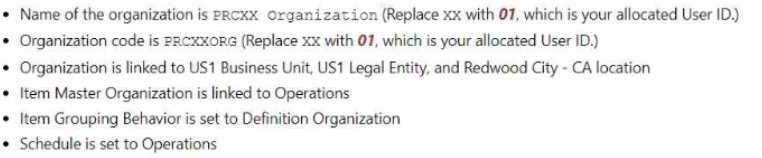
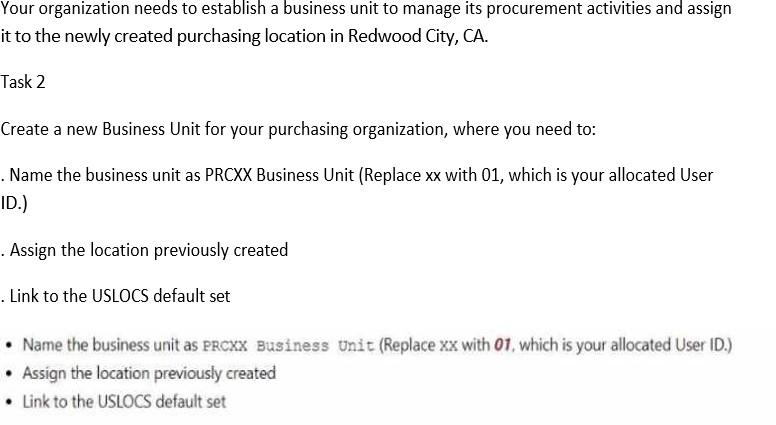
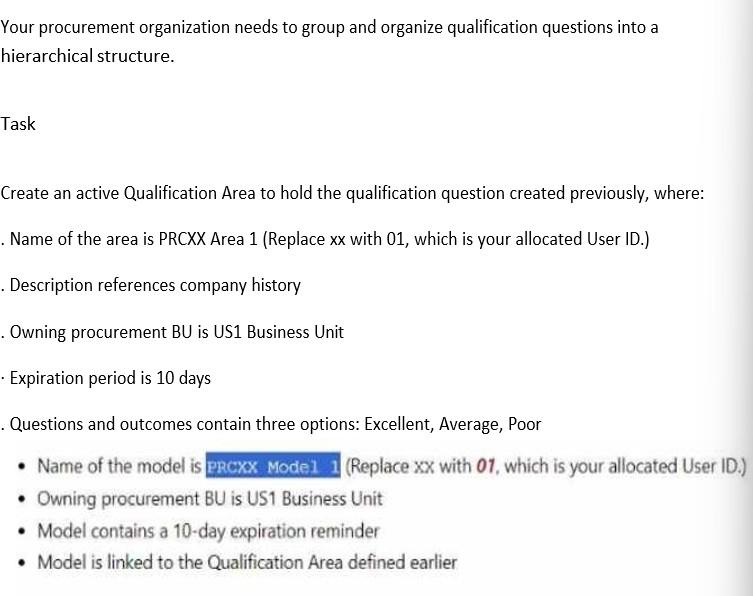
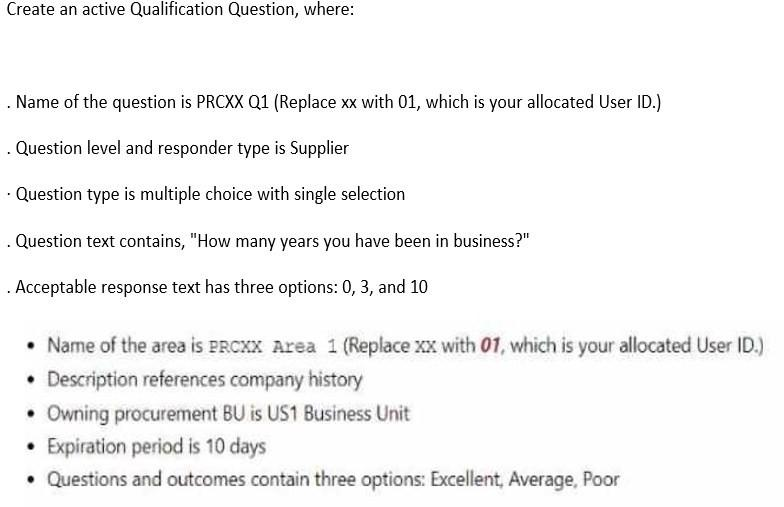
The exam includes standard multiple-choice questions, but it also includes performance-based questions directly tied to specific configurations inside an Oracle Cloud Applications environment. In those questions, you review what’s set up in a live system, assess the configuration, and answer based on what you’re actually seeing, not on what you’ve memorised in the abstract. Oracle is specifically evaluating whether you understand how parameters and settings affect system behaviour and whether you can determine which actions or configurations produce a specific outcome.
Here are the verified details taken directly from Oracle’s official exam page:
| Exam Detail | Verified Information |
| Exam Code | 1Z0-1065-26 |
| Full Exam Name | Oracle Fusion Cloud Procurement 2026 Implementation Professional |
| Format | Hands-on Performance-Based |
| Duration | 90 Minutes |
| Number of Questions | 36 |
| Passing Score | 68% |
| Validated Against | Oracle Cloud releases 25A, 25B, 25C, and 25D |
| Exam Price | USD $245 (varies by country) |
| Delivery | Pearson VUE, online proctored or testing centre |
With 36 questions and 90 minutes, you have roughly two and a half minutes per question. That’s workable if you know the material, but performance-based questions can absorb more of your time when you’re working through an unfamiliar configuration. Speed and accuracy together are what you’re building toward.
To register, you can purchase your exam voucher through Oracle University’s official portal. After sitting the exam, check your results and credential status through the Oracle CertView scores portal.
Exam Topics and What Each One Actually Covers
The 1Z0-1065-26 covers 13 topic areas spanning the full Oracle Fusion Procurement implementation lifecycle. Oracle doesn’t publish percentage weights for this exam; that’s confirmed, not a data gap. The topics below follow Oracle’s official exam blueprint, and the subtopics under each reflect the configurations and concepts Oracle actually tests.
The complete official topic list is available on the Oracle University exam objectives page.
Topic 1: Understanding the Procurement Application
Before any configuration begins, you need a clear mental model of how Oracle Fusion Procurement is structured. This topic makes sure you can explain what the platform does, which modules sit within it, and how the complete Procure-to-Pay (P2P) flow runs, from an employee raising a requisition through to a supplier receiving payment.
It sounds foundational, and it is. But Oracle asks scenario questions here that require you to know which component handles which function. Getting the P2P flow fully mapped also makes troubleshooting questions in later topics much easier to navigate.
- Identifying the modules that make up the Oracle Procurement pillar and the function each one serves
- Tracing the end-to-end Procure-to-Pay lifecycle across purchasing, receiving, and payables
- Understanding how Oracle Procurement connects with other Fusion Cloud modules, including Financials and Supply Chain
- Recognising which procurement module is the right tool for a given business scenario
Topic 2: Implementing Functional Setup Manager
FSM is the engine that drives every Oracle Cloud implementation, and this topic carries significant weight because if you get FSM wrong, nothing downstream works correctly. You need to understand the full implementation lifecycle within FSM, how to handle bulk setup data management, and how to configure projects and task lists specific to a Procurement rollout.
Candidates who struggle here typically know how to use FSM but don’t understand the framework behind it, why tasks have dependencies, what happens when you mark something complete too early, and how setup data exports and imports actually work.
- Understanding the FSM implementation lifecycle: offerings, functional areas, features, and tasks
- Managing setup data in bulk using spreadsheet loaders and data migration tooling
- Building implementation projects and task lists tailored to Procurement rollouts
- Tracking task completion and managing dependencies across the setup sequence
Topic 3: Provisioning Common Application Functions
Every Oracle Cloud implementation needs the right enterprise foundation before module-level configuration begins. This topic covers legal entities, business units, inventory organisations, and enterprise profiles, the structural elements that everything else is built on. It also covers the Oracle Procurement security model, which is where many candidates lose points because they understand what security does but not how it’s constructed.
- Describing the common application configuration tasks that happen before procurement-specific setup begins
- Understanding enterprise structures: legal entities, business units, ledgers, and how they relate to each other
- Explaining Oracle Procurement’s security reference model, including job roles and data roles
- Configuring application security to control user access and the data users can see and act on
Topic 4: Setting up Common Procurement Functions
This covers the cross-module configuration tasks that apply across the entire Procurement suite, the foundational setup that has to be completed before Purchasing, Sourcing, or any other module can be enabled. Oracle tests this carefully because common configuration tasks are a frequent source of implementation errors when they’re done out of sequence or missed entirely.
- Setting up Procurement Business Units and defining how they relate to Requisitioning Business Units
- Configuring Procurement Agents and assigning their module-level action permissions precisely
- Managing document styles, approval rule frameworks, and document numbering sequences
- Setting up common options that control behaviour across multiple procurement modules simultaneously
Topic 5: Setting up Purchasing
Purchasing is one of the most detailed areas on this exam, and rightly so, because it sits at the centre of most Oracle Procurement implementations. You’ll need to know how to configure purchase orders, blanket purchase agreements, contract purchase agreements, BPM-based approval workflows, B2B and EDI supplier communication, consignment procurement, and shared service centre setups using the Transaction Manager.
Scenario questions here typically describe a business requirement or a system behaviour problem and ask you to identify which configuration setting produces it, or which one is missing and causing the issue.
- Configuring document styles and the purchasing document types they enable
- Setting up purchase order approval workflows through Oracle’s BPM framework
- Managing change order templates and controlling how changes to existing purchase orders are approved
- Setting up consigned inventory procurement from suppliers and the associated transaction management
- Configuring B2B supplier communication, transaction managers, and shared service centre relationships
Topic 6: Setting up Self-Service Procurement
Self Service Procurement is the shopping front end that employees use when creating purchase requisitions. Getting this right means catalogues surface the correct items, punchout connections to external supplier sites work reliably, and approval rules fire at the right thresholds. This topic tests your ability to configure the full catalogue infrastructure alongside the requisitioning workflow.
- Setting up Procurement Catalogues, managing catalogue categories, and configuring content maps
- Creating public shopping lists, smart forms, and catalogue-category hierarchies for different user groups
- Configuring punchout catalogue connections to external supplier web portals
- Managing profile options and setting up requisitioning business functions
- Configuring and maintaining requisition approval workflows and their triggering conditions
Topic 7: Setting up Supplier Portal
The Supplier Portal is Oracle’s collaboration layer between your organisation and its suppliers. Through it, suppliers can acknowledge purchase orders, update their own profiles, submit invoices, and respond to sourcing events. This topic tests your ability to configure the portal correctly, including which user roles control which level of access and how supplier onboarding and profile change approvals work end to end.
- Understanding the different Supplier Portal user roles and the access permissions each one provides
- Setting up new suppliers and managing the complete onboarding and registration workflow
- Configuring supplier profile change request processes and the internal approval flows they trigger
- Managing supplier bank account change requests and the specific approval requirements for sensitive financial data
Topic 8: Setting up Sourcing
Sourcing in Oracle Fusion Procurement covers competitive bidding events: RFQs, RFPs, reverse auctions, and multi-round negotiations. This topic tests your ability to configure sourcing from start to finish, from creating negotiation documents and managing how suppliers respond, through scoring bids, running evaluations, and awarding agreements. Candidates who haven’t worked directly on sourcing implementations consistently lose points here.
- Describing the Oracle Sourcing lifecycle from negotiation creation through supplier responses, evaluation, and award
- Configuring negotiation styles that control which features are available in a sourcing event
- Setting up supplier response rules and defining scoring and evaluation criteria
- Managing sourcing approval workflows and multi-round negotiation setups
- Creating purchasing agreements directly from awarded sourcing events
Topic 9: Setting up Supplier Qualification Management (SQM)
SQM allows your organisation to formally assess and qualify suppliers, both before they’re onboarded and on an ongoing basis as part of supplier relationship management. It’s a topic that tends to get less focus in day-to-day implementation work but shows up consistently on the exam. You need to understand the full qualification workflow: creating initiatives, collecting assessments, evaluating responses, and recording qualification outcomes.
- Explaining the key SQM components: initiatives, assessments, qualifications, and recorded outcomes
- Configuring SQM processes and managing the transaction flow from initiative creation through to qualification recording
- Setting up evaluation criteria and scoring frameworks for supplier assessments
- Managing how qualification outcomes affect a supplier’s status and ongoing procurement eligibility
Topic 10: Configuring Procurement Contracts
Procurement Contracts manages the lifecycle of procurement agreements, from contract authoring and clause library management through approval, execution, and obligation tracking. It’s a topic that gets overlooked in preparation more often than it should, but Oracle tests it with enough consistency that skipping it is a real risk.
- Understanding where Oracle Procurement Contracts sits in the P2P process and what it’s responsible for
- Setting up contract types and configuring the contract terms library and clause categories
- Configuring contract approval workflows and the conditions that trigger them
- Enabling contract obligation tracking for delivery milestones and invoice checkpoints tied to contractual commitments
Topic 11: Configuring Project-Driven Supply Chain (PDSC)
PDSC connects procurement transactions directly to Oracle Project Portfolio Management, allowing organisations to create project-specific purchase orders where costs are tracked and reported at the project level. It’s a niche area, but Oracle includes it because PDSC implementations have configuration requirements that differ meaningfully from standard procurement setups, and the exam will ask about them.
- Setting up a Project-Driven Supply Chain in the context of a Procurement implementation
- Managing project-specific purchase requisitions and purchase orders
- Understanding how PDSC interacts with Oracle Project Portfolio Management for cost tracking and financial reporting
Topic 12: Using AI/ML, Mobile, and Other Automation Features
Oracle has been steadily embedding intelligence into Fusion Cloud, and the 2026 exam reflects that shift. This topic doesn’t require you to build or configure AI systems, but you do need to understand what capabilities exist, what business problems they address, and where they apply within the procurement workflow.
- Identifying the AI and machine learning capabilities available in Oracle Fusion Cloud Procurement, including intelligent requisition recommendations and supplier risk signals
- Understanding automation features for requisition processing, approval routing, and sourcing efficiency
- Explaining the mobile procurement capabilities Oracle supports and which workflows they’re designed for
Topic 13: Enabling Redwood Capabilities
Redwood is Oracle’s next-generation UX framework, being rolled out progressively across Fusion Cloud. For procurement implementers, the practical question is: which Redwood features are available within Oracle Procurement, how do you turn them on, and what do you need to think through when enabling them in an environment that already has configuration in place?
- Identifying the Redwood UI features available across Oracle Fusion Procurement modules
- Understanding the process for enabling Redwood and the configuration implications for existing page setups
- Explaining the user experience differences that Redwood introduces compared to Oracle’s classic interface
Cost, Eligibility, and How to Register
The 1Z0-1065-26 exam costs USD $245 per attempt, with regional pricing variations based on country and local taxes. You can purchase your exam voucher through Oracle University’s official registration and payment portal.
There are no prerequisites for this exam. Oracle does not require you to hold a prior certification or complete any specific training before registering.
That said, one eligibility benefit is worth checking before you pay: if you already hold an Oracle Fusion Cloud Procurement Certified Implementation Professional or Specialist certification earned from 2019 onwards, whether that credential is currently active or has lapsed, you qualify to take the corresponding Delta Exam at no cost. The Delta is a shorter, focused exam covering only the new content added in the 2026 version, rather than the full 36-question assessment.
Check your Delta eligibility directly on Oracle’s qualifying Delta exams page. If you’re not eligible for the Delta path, the full 1Z0-1065-26 is the route forward. You can log in to the Oracle CertView portal to check the current status of any existing certifications before making that call.
Before registering for any Oracle Cloud exam, it’s also worth reading the Oracle Cloud Recertification Policy, which covers how credentials are maintained and renewed across Oracle’s annual exam cycle.
For learning path guidance and official exam preparation resources, Oracle’s full certification catalogue is the best place to explore related credentials and recommended training sequences.
Why the 1Z0-1065-26 Certification Is Worth Pursuing in 2026
Oracle Fusion Cloud Procurement sits at the intersection of two trends that show no signs of slowing: enterprise cloud migration and supply chain optimisation pressure. Organisations across manufacturing, retail, financial services, healthcare, and the public sector are moving procurement operations off legacy ERP platforms. Oracle Fusion Cloud is one of the primary destinations for that migration, and every significant rollout needs certified functional consultants who can configure procurement modules correctly from day one.
A misconfigured approval workflow, a supplier onboarding process that breaks under volume, or a sourcing setup that doesn’t reflect the business process, these aren’t minor issues. They delay go-lives and cost organisations real money. Companies pay well to avoid them, and certified professionals who can prevent them command premium rates in the market.
Here’s what the landscape looks like for certified Oracle Procurement Cloud professionals in 2026:
- Junior Oracle Procurement Consultant (0–2 years): $75,000 – $100,000/year
- Mid-Level Procurement Functional Consultant (3–5 years): $105,000 – $135,000/year
- Senior Oracle SCM / Procurement Lead (5+ years, certified): $135,000 – $175,000/year
- Oracle Solutions Architect or Implementation Manager: $150,000 – $210,000+
- Contract and freelance rates: $90–$150/hour in North America and Europe
Beyond compensation, the certification opens doors at Oracle partner organisations, Accenture, Deloitte, Infosys, Capgemini, and hundreds of Oracle Gold and Platinum partners, where the 1Z0-1065-26 is frequently listed as required or preferred for senior procurement consulting roles. For current salary benchmarking, LinkedIn’s salary insights tool and Glassdoor’s Oracle consultant data are good references to cross-check against your region.
Study Strategy That Actually Works for 1Z0-1065-26
The performance-based format of this exam changes how preparation should feel. Passive reading builds familiarity but not the applied thinking that Oracle tests. You need to actively work through scenarios, understand configurations, and develop real intuition for how Oracle Fusion Procurement behaves when different settings are in place.
- Start with the official Oracle learning path. Oracle’s recommended training for this exam is the “Become a Certified Procurement Cloud Implementer” path, available on Oracle MyLearn. It’s structured around the exam topics and gives you systematic exposure to each area. Even experienced consultants often find gaps when they go through structured courseware, particularly in areas they haven’t recently implemented, like PDSC or SQM. Access the official Oracle Procurement Implementation Professional learning path on MyLearn to get started.
- Use PassITExams practice questions every day. Don’t just check whether your answer was right; read every explanation, even on questions you got correct. For performance-based questions especially, the reasoning behind the correct configuration is exactly what you need to internalise.
- Follow a structured 5-week plan:
- Week 1: Topics 1–3 (Procurement application overview, FSM lifecycle, common application setup)
- Week 2: Topics 4–5 (Common Procurement functions and Purchasing configuration)
- Week 3: Topics 6–8 (Self-Service Procurement, Supplier Portal, and Sourcing)
- Week 4: Topics 9–11 (Supplier Qualification Management, Procurement Contracts, and PDSC)
- Week 5: Topics 12–13 (AI/ML features and Redwood), then daily timed practice exams until your exam date
- Give extra attention to FSM and Purchasing. These two areas drive the highest concentration of exam questions and involve the most technically detailed configuration decisions. Candidates who skim them almost always regret it.
- Use Oracle’s official documentation as a reference. The Oracle Help Center for Fusion Cloud Procurement is authoritative, current, and free. Use it to dig deeper into specific configuration options when a practice question explanation raises more questions than it answers.
- Run full timed practice exams in your final week. You have 90 minutes for 36 questions. The pace is achievable, but performance-based questions can take longer when the configuration scenario is unfamiliar. Build the habit of working at the correct speed before test day, not just in unlimited study mode.
- Aim for 80% or above in practice before booking your exam date. That buffer gives you room for the nerves and second-guessing that show up for most people on exam day, while keeping you comfortably above the 68% threshold you need to pass.
What Makes PassITExams the Right Choice for 1Z0-1065-26
- Actual exam questions, verified by certified professionals. Our question bank contains questions sourced directly from the 1Z0-1065-26 exam and reviewed by Oracle-certified procurement consultants. These aren’t estimates or approximations of what Oracle might ask; they’re the real thing.
- Explanations that build understanding. Every question comes with a full explanation covering why the correct answer is right and why the alternatives aren’t. For performance-based questions, we walk through the configuration logic you need to reason from, the same kind of thinking that gets you through the actual exam.
- Three months of free content updates. Oracle updates its exam content when new cloud releases roll out. Your purchase includes three months of automatic updates applied to your account whenever changes occur.
- 100% money-back guarantee. If you prepare with PassITExams and don’t pass the 1Z0-1065-26 on your first attempt, contact our support team with your result, and we’ll give you a full refund.
- Performance-based question format included. Our simulator is built around the same hands-on, scenario-driven format Oracle uses, not a simplified multiple-choice substitute. You’ll be practising exactly the question type you’ll face on exam day.
- Multiple ways to study. PDF practice tests for offline reading, an online practice test engine for timed sessions, and mobile-friendly access for studying between commitments. Your materials work around your schedule.
- Topic-level performance tracking. The platform shows your score broken down by exam topic, so you can see precisely where you’re losing points and focus your remaining study time accordingly.
- 99%+ accuracy across all content. Our review process checks every question against live Oracle Cloud environments, not just documentation. The question bank is maintained at above 99% accuracy based on ongoing candidate feedback and expert review.
- Around-the-clock support. Have a question about exam content, account access, or anything else, our team is available 24/7 via live chat and email.
Frequently Asked Questions About the 1Z0-1065-26 Exam
What makes the 1Z0-1065-26 different from earlier Oracle Procurement exams?
The most important change is the confirmed Hands-on Performance-Based format; it now includes questions tied to live Oracle Cloud configurations, not just standard MCQs. The question count has also been revised to 36 questions, and the passing score is 68%. The exam is validated against Oracle Cloud releases 25A, 25B, 25C, and 25D, reflecting the latest product state. Topics 12 and 13, covering AI/ML capabilities and Redwood UX, carry more weight than in older exam versions.
How many questions are on the exam, and what do I need to score?
There are 36 questions, and you have 90 minutes to complete them. The passing score is 68%, which works out to roughly 25 questions answered correctly. Aim to score well above that threshold rather than planning to scrape through; the performance-based format introduces some unpredictability in which questions turn out to be harder than expected.
What does “Hands-on Performance-Based” mean in practice?
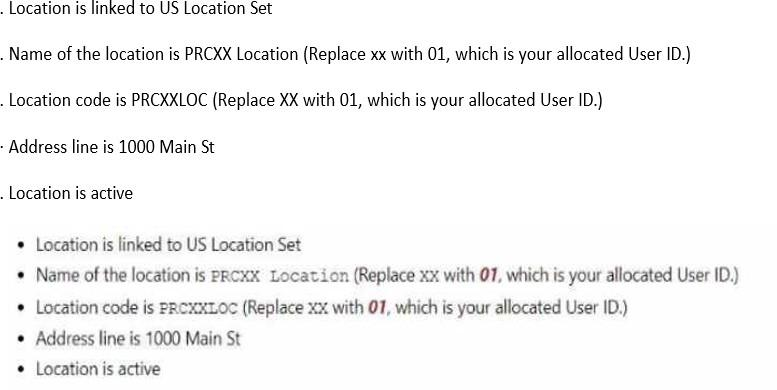
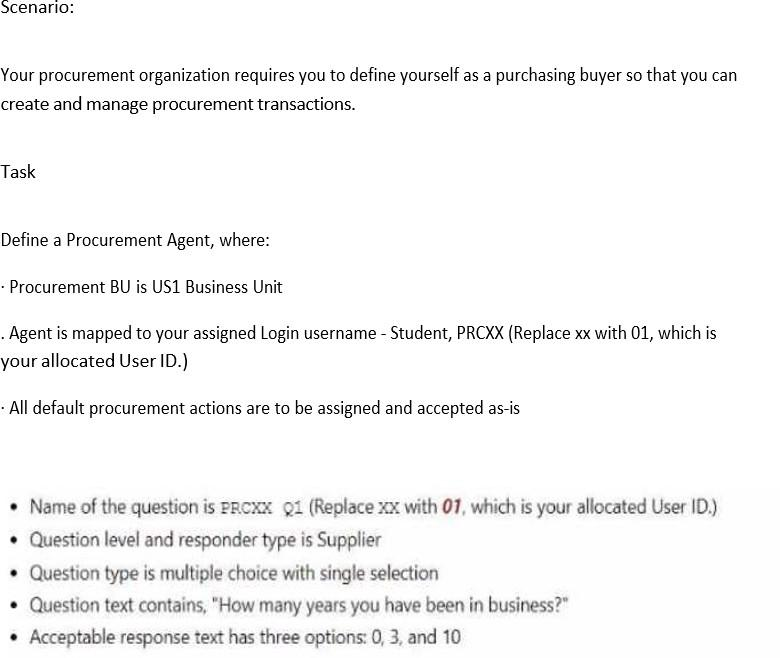
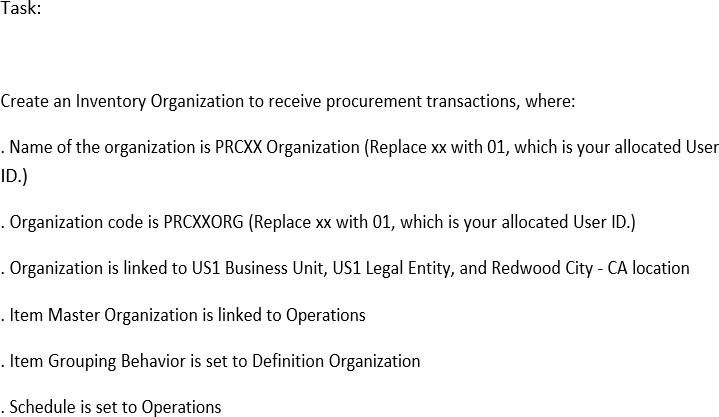
Oracle includes questions where you’re shown a configuration inside an Oracle Cloud Applications environment, either through screenshots or a live interface, and asked to assess it and answer based on what the system is doing. You can’t answer these by recalling definitions alone. You need to understand how Oracle Procurement behaves under specific configurations, which is why working through explanations during practice matters more than simply tracking your right/wrong ratio.
How long will I need to prepare?
Candidates with 1–2 years of hands-on Oracle Procurement experience typically find 4–6 weeks of focused daily study sufficient. If you’re newer to the platform or haven’t recently worked in areas like PDSC, SQM, or Sourcing, budget 8–10 weeks. Running full-time practice exams in the final week is essential regardless of your experience level.
Do your practice questions cover the performance-based question style?
Yes. Our simulator is specifically built around the scenario-driven, configuration-assessment format Oracle uses. You won’t be practising plain multiple-choice and then facing an entirely different question type on exam day.
Can I take a Delta exam instead of the full 1Z0-1065-26?
Possibly, if you hold an Oracle Fusion Cloud Procurement Certified Implementation Professional or Specialist certification earned from 2019 onwards, whether it’s currently active or lapsed, you qualify for the corresponding Delta Exam at no cost. Log in to Oracle CertView to check your eligibility before paying for the full exam.
How do I register, and what does the exam cost?
The exam costs USD $245 per attempt. Register and pay through Oracle University’s official exam purchasing portal. Choose online proctored delivery through Pearson VUE or select a local testing centre location.
What career opportunities come with this certification?
Common roles include Oracle Procurement Functional Consultant, SCM Cloud Consultant, Procurement Implementation Lead, and Source-to-Settle Analyst. Salaries range from approximately $80,000 for junior positions to $175,000+ for senior leads and architects. Contract rates typically run $90–$150/hour in major markets. Oracle partner firms and large system integrators are the primary employers seeking this credential.
How quickly can I access my PassITExams materials after purchasing?
Immediately. As soon as your payment is confirmed, the online practice test engine is available, and the PDF download is ready in your account. No delays, no activation windows.
What happens if I fail the exam after using your materials?
We back our preparation materials with a 100% money-back guarantee. If you study with PassITExams and don’t pass the 1Z0-1065-26 on your first attempt, contact our support team with your exam result, and we’ll process your full refund.
Is Oracle training mandatory before sitting the exam?
No, there are no mandatory prerequisites. Oracle recommends completing the official Become a Certified Procurement Cloud Implementer learning path on MyLearn, but it’s a recommendation rather than a requirement. Solid implementation experience combined with targeted practice on quality materials is a valid preparation path.
Where do I check my score and certification status after the exam?
Log in to the Oracle CertView portal to view your exam results, access your digital certificate, and monitor your certification status over time.

Reviews
There are no reviews yet.